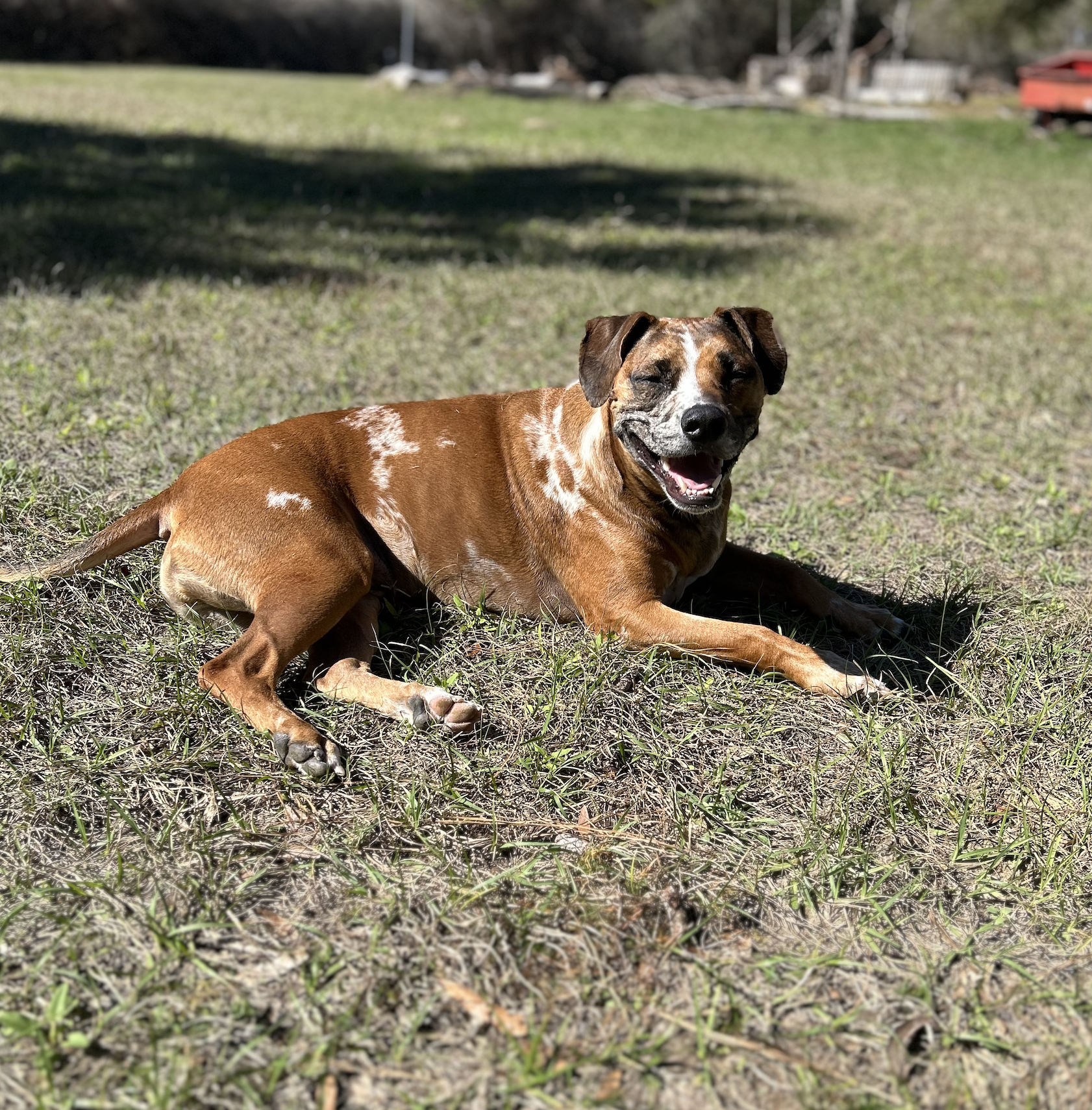
Why Does My Dog Eat Grass? (And Should You Be Worried?)
If you’ve ever watched your dog drop their head and start chomping on a patch of lawn, you’re not alone. It’s one of the most common (and puzzling) behaviors dog owners wonder about. Albie does it too — especially in the spring when the grass is fresh and green. So what’s actually going on? And is it something to worry about?
The short answer: grass-eating is usually harmless. But it’s worth understanding why dogs do it, because sometimes it’s your pup’s way of telling you something.
Why Do Dogs Eat Grass?
Veterinarians and animal behaviorists have studied this for years, and the honest answer is: there’s no single explanation. Here are the most likely reasons:
1. They Just Like It
This is probably the most common reason. Dogs are opportunistic omnivores — they didn’t evolve eating only meat. Wild canids regularly consumed plant material, and many dogs simply enjoy the taste and texture of fresh grass. It’s instinctual, not a cry for help.
2. They’re Bored or Seeking Stimulation
If your dog is eating grass mostly on walks or in the backyard when there’s nothing else going on, boredom might be a factor. Sniffing, chewing, and foraging are all mentally stimulating activities for dogs. Grass gives them something to do.
3. An Upset Stomach — or a Way to Settle One
You’ve probably heard that dogs eat grass to make themselves throw up. While it can happen, studies suggest only about 25% of grass-eating dogs vomit afterward — and most dogs don’t seem sick beforehand. So the “self-medicating” theory is real but not the whole story. Some dogs may eat grass because their stomach is off; others eat it and then vomit as a result (not the cause).
4. They’re Missing Something in Their Diet
Some dogs eat grass when their gut isn’t feeling right — and an imbalanced gut microbiome can be a culprit. Grass contains fiber, which may be one reason dogs seek it out. If your dog is regularly eating grass and also has loose stools, gurgling sounds from their belly, or occasional vomiting, their digestive system might need some support.
Is It Safe for Dogs to Eat Grass?
Generally, yes — plain grass is not toxic to dogs. The bigger concerns are:
- Pesticides and herbicides — if the lawn has been treated with chemicals, keep your dog off it
- Fertilizers — same deal; freshly fertilized grass can cause stomach upset or worse
- Other plants mixed in — some weeds and plants that grow alongside grass are toxic to dogs (like foxglove or certain mushrooms)
If you’re unsure whether your lawn (or a lawn your dog visits) has been treated, it’s better to redirect the behavior until you know it’s safe.
When to Be Concerned
Occasional grass-eating? Usually nothing to worry about. But call your vet if:
- Your dog is eating grass compulsively or in very large amounts
- Grass-eating is always followed by vomiting
- You notice other symptoms: lethargy, loss of appetite, diarrhea, or blood in stool
- The behavior started suddenly after a long period of not doing it
Any sudden change in behavior is worth a conversation with your vet, even if it seems minor.
What We Do for Albie’s Gut Health
Albie is a regular grass-nibbler, and while he’s never seemed truly sick from it, I started paying more attention to his digestion after noticing he had occasional loose stools and seemed a little gassy. After chatting with our vet, we decided to try a probiotic — and it made a noticeable difference.
We’ve been using Native Pet Probiotic, and I’m really happy with it. It’s a powder you sprinkle over food, it has no artificial ingredients, and Albie eats it without any fuss (always a win). Within a few weeks, his digestion was noticeably more consistent. He still eats the occasional blade of grass — because, Albie — but the random belly issues have calmed down a lot.
If your dog has been eating a lot of grass and also seems to have an unsettled stomach, a good probiotic is worth trying before jumping to anything more drastic. You can find Native Pet Probiotic on Amazon here.
How to Reduce Grass-Eating (If You Want To)
If the behavior bothers you or you’re worried about what’s in the grass, here are a few things that can help:
- Increase mental stimulation — more playtime, puzzle feeders, and sniff walks can reduce foraging behaviors driven by boredom
- Check their diet — make sure they’re getting enough fiber and that their food is high quality
- Support gut health — a probiotic can help if the grass-eating seems tied to digestive issues
- Redirect on walks — a simple “leave it” cue can help if you’re worried about treated lawns
The Bottom Line
Dogs eat grass for all kinds of reasons — and most of the time, it’s completely normal. Keep an eye out for concerning patterns, make sure they’re not on treated grass, and if their digestion seems off, look into gut support. Albie’s still out there sneaking bites whenever he thinks I’m not watching. 🐾
Disclosure: This post contains affiliate links. If you purchase through them, I may earn a small commission at no extra cost to you. I only recommend products Albie actually uses and loves.